

Daisy Việt Editorial Team
27-10-2026Who Keeps the Family Photographs?
A family negotiates how to share its photo collection, with B2 practice on third conditionals, passive voice and reported speech.Lượt xem: 8 Nguồn: Daisy Việt
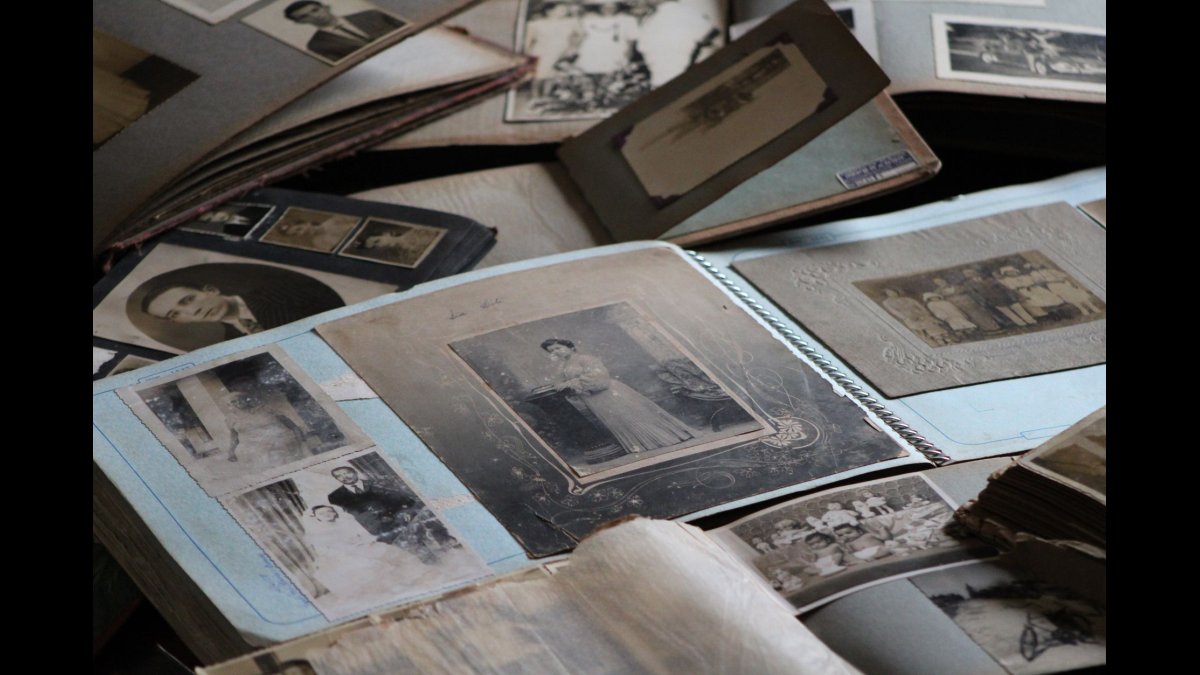
When my aunt announced that she was moving into a smaller flat, everyone offered to help with the furniture. Nobody volunteered to sort the photographs. Several boxes had been stored beneath her bed for years, and opening them meant facing an awkward question: who was responsible for preserving our family's memories?
My first suggestion was practical. We could scan everything, upload the files, and divide the originals between households. My aunt said that she wanted everyone to have access to the pictures. However, access turned out to mean different things to different people. I imagined a shared folder; my grandfather wanted an album he could open without asking for a password.
The photographs were sorted into small groups on the dining table. Some were labelled with names and dates, while others showed people whom none of us could identify. My aunt could remember the stories behind many pictures, but she became tired when we asked too many questions at once. We realised that speed was a poor measure of progress.
If we had thrown away the envelopes, we would have lost several important dates. Notes on the backs of photographs were useful too, although they occasionally contradicted someone's memory. Rather than choosing a single version immediately, we recorded the uncertainty. A caption could say 'probably summer' without pretending to offer a precise date.
Another difficulty involved permission. A photograph that seemed amusing to one cousin felt embarrassing to another. Being part of a family collection did not automatically make an image suitable for a public social media post. We agreed that the shared folder would remain private and that anyone could request the removal of a photograph of themselves.
We also divided the work into manageable tasks. One person scanned a small batch each weekend, another wrote captions, and my aunt added voice notes when she felt like telling a story. My grandfather selected pictures for a printed album. This approach was slower than my original plan, but it allowed more people to participate without turning the project into a competition.
By the time the first album was ready, I had changed my idea of preservation. Keeping a file safe matters, but so does keeping its meaning understandable. A perfectly scanned image is less useful when nobody knows why it was kept. Our task was not simply to protect old paper from damage. It was to make room for different memories, respect personal boundaries, and leave future readers enough context to ask their own questions.
Grammar Structure (Phân tích Ngữ pháp)
Third Conditional
Công thức: If + S + had + V3/V-ed, S + would have + V3/V-ed + ...
Ví dụ trong bài: If we had thrown away the envelopes, we would have lost several important dates.
Past Simple Passive
Công thức: S + was/were + V3/V-ed + ...
Ví dụ trong bài: The photographs were sorted into small groups on the dining table.
Reported Speech
Công thức: S + said + that + S + V (lùi thì) + ...
Ví dụ trong bài: My aunt said that she wanted everyone to have access to the pictures.




💬 Bình luận (0)