

Daisy Việt Editorial Team
27-10-2026A Garden That Leaves Room for Wildlife
Neighbours rethink what a shared garden should look like, with B2 practice on third conditionals, passive voice and reported speech.Lượt xem: 1 Nguồn: Daisy Việt
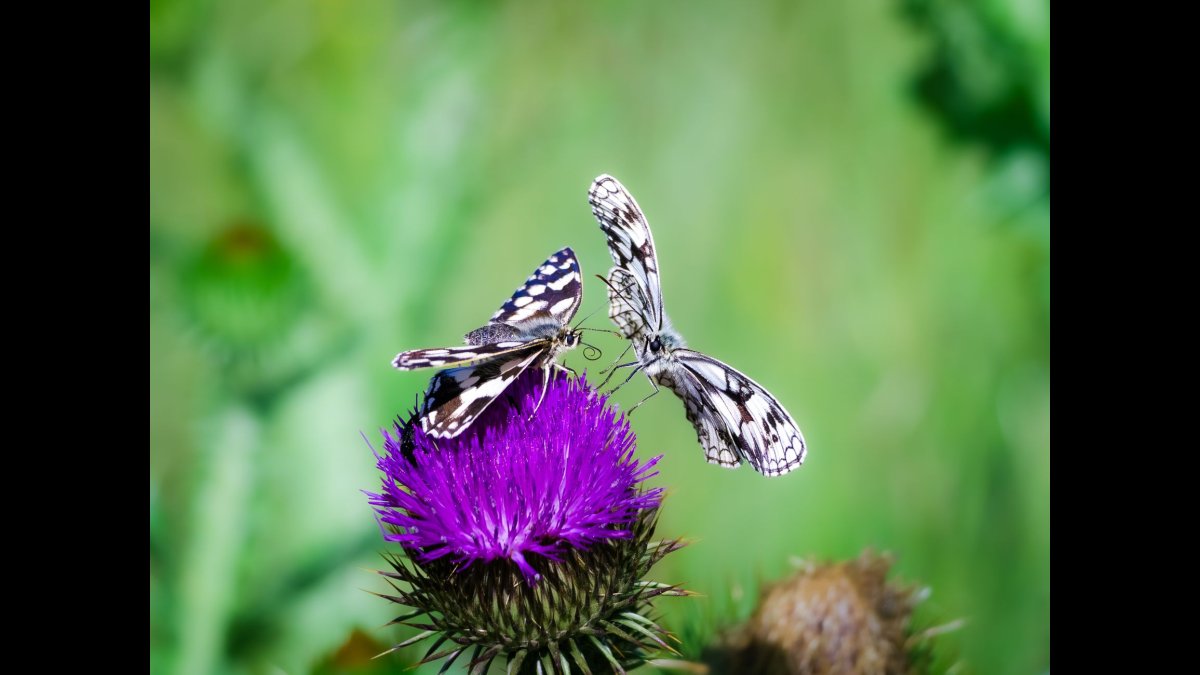
When residents in our building discussed improving the shared garden, most of us pictured the same result: short grass, straight edges, and flower beds without a single fallen leaf. A neighbour who enjoyed watching birds suggested a different approach. She wondered whether a garden could look cared for without every part of it being kept equally tidy.
Her suggestion initially sounded like an excuse to do less work. Some residents worried that leaving a rough corner would make the whole space appear neglected. Others pointed out that children needed clear paths and that nobody wanted branches blocking the entrance. These concerns were reasonable, so our discussion had to move beyond a simple choice between a neat garden and a wild one.
We agreed to keep the main path clear and test a small planting area away from the doorway. A local gardener explained that suitable plants depended on the conditions of the site. Instead of buying flowers simply because they looked attractive in a photograph, we checked the light, soil, and space available. We also asked for advice about locally appropriate plants rather than assuming that any packet labelled friendly to wildlife would suit our garden.
The planting area was marked with a simple wooden border. A short sign explained why some leaves would remain beneath the shrubs. This mattered because a deliberate choice can look like neglect when nobody explains it. Residents who preferred a tidier appearance could see where the experiment began and where it ended.
If we had changed the whole garden immediately, we would have faced much stronger resistance. Starting small gave us a chance to notice practical problems. One plant grew across the path and had to be moved. A shallow container collected dirty water, so we removed it rather than leaving another task that nobody had agreed to maintain.
Over the following weeks, people began sharing observations: a bird carrying a twig, an unfamiliar insect on a flower, a patch that stayed too dry. We avoided claiming that our little experiment had transformed local wildlife. We had no careful survey to support that conclusion. What we could say was that residents were paying closer attention and discussing how their choices affected other living things.
The garden still needs regular work. Paths must be swept, plants must be checked, and disagreements still occur. Yet our idea of care has become more flexible. A tidy entrance and a less controlled planting corner can exist together when their purposes are clear. The most valuable change may be that we now ask what each part of the space is for before deciding how it ought to look.
Grammar Structure (Phân tích Ngữ pháp)
Third Conditional
Công thức: If + S + had + V3/V-ed, S + would have + V3/V-ed + ...
Ví dụ trong bài: If we had changed the whole garden immediately, we would have faced much stronger resistance.
Past Simple Passive
Công thức: S + was/were + V3/V-ed + ...
Ví dụ trong bài: The planting area was marked with a simple wooden border.
Reported Speech
Công thức: S + explained + that + S + V (lùi thì) + ...
Ví dụ trong bài: A local gardener explained that suitable plants depended on the conditions of the site.





💬 Bình luận (0)