

Daisy Việt Editorial Team
28-08-2026Why Sleep Is More Important Than We Once Thought
New research shows sleep is an active biological process essential to brain health, memory, and immunity — not simply downtime.Lượt xem: 108 Nguồn: Daisy Việt
For decades, sleep was treated by scientists as little more than a passive state the body slipped into once the day's activities were finished — a kind of downtime with no real function beyond rest. Over the past twenty years, however, a wave of research has overturned that assumption almost entirely. Sleep, it now appears, is one of the most biologically active processes the human body performs, and its effects reach far beyond simply feeling refreshed the next morning.
During deep sleep, the brain undergoes a remarkable cleaning process. Cerebrospinal fluid washes through brain tissue, flushing out waste products, including a protein called beta-amyloid that has been closely linked to Alzheimer's disease when it accumulates in excess. Rarely has a single nightly process been shown to carry such significant long-term consequences for brain health, and this discovery alone has reshaped how neuroscientists think about the purpose of sleep.
Sleep also plays an essential role in memory. Having spent the day absorbing new information, the brain uses the hours of sleep that follow to consolidate that information, transferring short-term memories into more durable, long-term storage. Students who sleep well after studying consistently outperform those who stay up late cramming, a finding that has been replicated in study after study across different age groups and subjects.
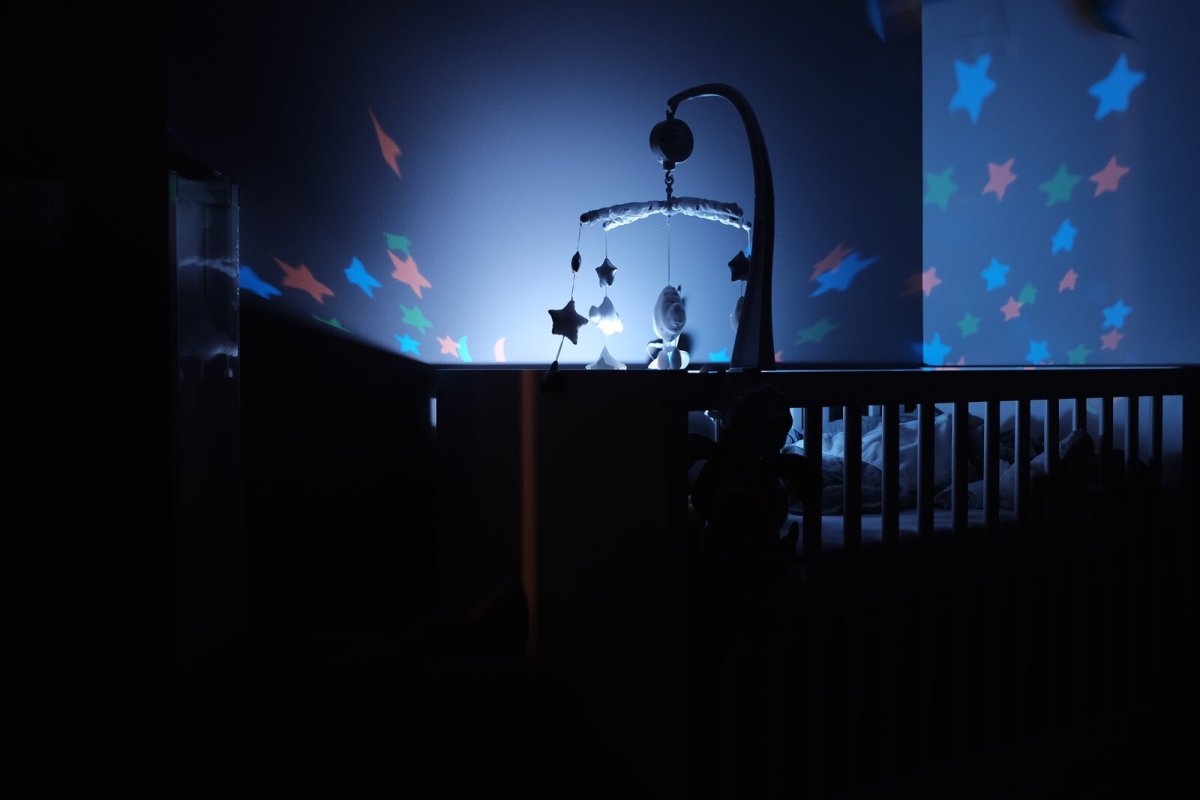
Ảnh: Bastien Jaillot, Wikimedia Commons (CC0).
The immune system, too, depends heavily on adequate sleep. Certain proteins involved in fighting infection and inflammation are produced primarily while a person sleeps, which helps explain why people who are chronically sleep-deprived tend to catch colds more easily and recover from illness more slowly. Vaccines have even been shown to be less effective in people who did not sleep well in the days surrounding vaccination, a finding that surprised many researchers when it was first published.
Chronic sleep deprivation, meanwhile, has been linked to a long list of serious health problems, including obesity, type 2 diabetes, high blood pressure, and depression. Not only does insufficient sleep disrupt the hormones that regulate appetite, causing people to crave high-calorie foods, but it also impairs the body's ability to regulate blood sugar effectively. Over months and years, these small disruptions can accumulate into significant, measurable health risks.
Despite this growing body of evidence, modern lifestyles continue to work against healthy sleep. Bright screens, irregular work schedules, caffeine consumption late in the day, and the simple pressure to do more in less time all contribute to a society that, on average, sleeps considerably less than it did a century ago. Public health officials in several countries have begun campaigns aimed at raising awareness of sleep's importance, treating it with the same seriousness once reserved for diet and exercise.
Sleep researchers now generally recommend that adults aim for between seven and nine hours of sleep per night, though the exact amount needed can vary from person to person. Teenagers, whose bodies are still developing, typically require even more, which is one reason some school districts have begun pushing back their start times to allow students additional time to sleep before the school day begins.
What makes the recent research particularly striking is how consistently it points in the same direction: sleep is not wasted time but an active, essential process that touches nearly every system in the body. As the science continues to advance, many experts now argue that sleep deserves to be treated as a pillar of health in its own right, standing alongside nutrition and physical activity rather than trailing behind them as an afterthought.
Sleep quality, researchers now stress, matters just as much as sleep quantity. A person who spends eight hours in bed but wakes repeatedly throughout the night — because of noise, stress, or a condition such as sleep apnea — may still experience many of the same problems associated with sleeping too little overall. Wearable devices that track sleep stages have made this distinction far more visible to ordinary consumers than it was even a decade ago, and many people are now discovering, often for the first time, just how fragmented their nightly sleep actually is.
Athletes and high-performing professionals have also begun paying closer attention to sleep as a competitive advantage rather than a luxury. Several professional sports teams now employ dedicated sleep coaches, and some organizations have redesigned travel schedules specifically to protect players' sleep during demanding seasons. Studies conducted on elite athletes have found measurable improvements in reaction time, accuracy, and endurance simply by extending their nightly sleep by an hour or two.
Workplaces, too, are slowly beginning to adapt. A small but growing number of companies have introduced nap rooms, flexible start times, and policies discouraging late-night emails, based on evidence that well-rested employees make fewer errors and demonstrate better judgment than those running on insufficient sleep. Whether these changes will spread widely across industries known for long hours remains uncertain, but the underlying research is difficult for employers to ignore.
Children and adolescents face their own set of sleep-related challenges, many of them made worse by smartphones and social media, which keep young minds engaged well past a reasonable bedtime. Pediatricians increasingly recommend that screens be removed from bedrooms altogether, arguing that the blue light emitted by devices interferes with the natural production of melatonin, the hormone responsible for signaling to the body that it is time to sleep.
Grammar Structure (Phân tích Ngữ pháp)
- Inversion (đảo ngữ) — trạng từ tần suất thấp "Rarely" đứng đầu câu, trợ động từ đảo lên trước chủ ngữ: "Rarely has a single nightly process been shown to carry such significant long-term consequences for brain health."
- Complex Passive (bị động phức tạp) — bị động với động từ tường thuật + to-infinitive: "Vaccines have even been shown to be less effective in people who did not sleep well in the days surrounding vaccination."
- Participle Clause (cụm phân từ) — rút gọn mệnh đề thời gian/nguyên nhân thành cụm phân từ hoàn thành: "Having spent the day absorbing new information, the brain uses the hours of sleep that follow to consolidate that information."




💬 Bình luận (0)