

Admin
28-08-2026Cities Turn to Vertical Farming to Feed Growing Populations
As urban populations swell, cities are experimenting with vertical, climate-controlled farms to secure fresh food closer to home.Lượt xem: 3 Nguồn: Daisy Việt
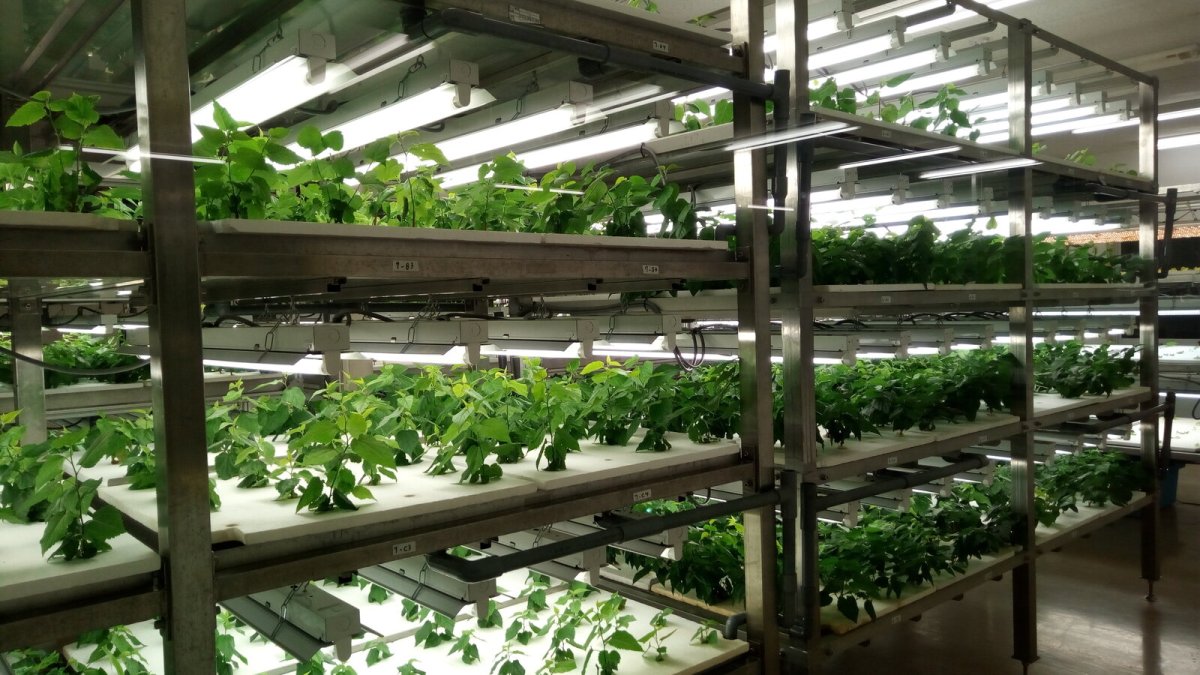
As cities around the world continue to expand, urban planners are increasingly turning to an unusual solution to feed their populations: vertical farming. Rather than relying solely on distant fields, a growing number of companies are now building tall, climate-controlled facilities where crops are grown indoors, layer upon layer, often in the middle of busy city centers. What was once considered a futuristic experiment has, within the space of a decade, become a genuine industry attracting serious investment.
Traditional agriculture requires vast amounts of land, water, and time to transport produce from rural farms to urban markets, and much of that produce is lost or spoiled along the way. Vertical farms, by contrast, use hydroponic or aeroponic systems, in which plants are grown without soil and fed nutrient-rich water directly to their roots. Rarely has an agricultural method offered such dramatic reductions in resource use — some vertical farms report using up to ninety-five percent less water than conventional farming, while also eliminating the need for pesticides almost entirely.
Having recognized these environmental and logistical advantages, several major cities, including Singapore, Tokyo, and Chicago, have begun investing heavily in vertical farming infrastructure. Singapore, a country with extremely limited arable land, now produces a significant portion of its leafy vegetables through vertical farms located just outside the city, reducing its historical dependence on imported food. City officials there view the technology not merely as a novelty but as a matter of long-term food security.

Ảnh: Satoshi Kinokuni, Wikimedia Commons (CC BY 2.0).
Grown under carefully controlled LED lighting, the crops in these facilities can be harvested multiple times per year, regardless of the season outside. This year-round productivity, combined with the ability to build farms close to consumers, has led many experts to believe that vertical farming could play a crucial role in feeding the world's growing urban population, which the United Nations projects will reach nearly seventy percent of humanity by 2050. Fresh produce, once picked, can reach a nearby supermarket within hours rather than days.
However, the technology is not without its critics. Not only is the initial investment in vertical farms extremely high, but the energy required to power LED lighting and climate control systems can also be substantial, particularly in regions where electricity is not generated from renewable sources. Some agricultural economists argue that, unless powered by clean energy, vertical farms may simply shift environmental costs from land use to energy consumption, undermining much of the sustainability argument made by the industry's supporters.
Despite these concerns, investment in the sector continues to grow. Start-ups specializing in vertical farming technology have attracted billions of dollars in funding over the past decade, and several governments have introduced subsidies to encourage adoption. Only when energy costs fall significantly, proponents argue, will vertical farming truly compete with traditional agriculture on price rather than remaining a premium option for wealthier consumers.
For now, most vertical farms focus on high-value, fast-growing crops such as lettuce, herbs, and strawberries, rather than staple foods like rice or wheat, which require far more space and resources to produce efficiently indoors. Whether the technology can eventually expand to feed entire populations with staple crops remains an open question, one that will likely depend on continued advances in energy efficiency and automation over the coming years.
What seems increasingly clear, though, is that as urban populations swell and arable land becomes scarcer, cities will need to explore every available option for securing their food supply. Vertical farming, for all its current limitations, offers a compelling glimpse of what urban agriculture might look like in the decades ahead, and few in the industry doubt that its role will only continue to expand.
Beyond the well-known examples in Asia, similar projects have taken root across Europe and North America. In the Netherlands, a country already famous for its efficient greenhouse agriculture, several vertical farms now supply supermarkets with herbs and salad greens grown just a short drive from the shelves where they are sold. In the United States, warehouse-scale vertical farms located near major cities such as New Jersey and Compton, California, have begun supplying large retail chains directly, cutting out several steps of a supply chain that traditionally spans thousands of kilometers.
Automation is playing an increasingly central role in making these operations financially viable. Robots now handle much of the planting, monitoring, and harvesting inside many vertical farms, reducing the labor costs that would otherwise make indoor farming prohibitively expensive. Sensors track everything from humidity to nutrient levels in real time, allowing operators to adjust conditions instantly rather than waiting for the results of a poor harvest, as farmers working outdoors so often must.
Critics also point out that vertical farming, in its current form, does little to address the broader question of global food inequality. Because the technology remains costly to build and operate, its benefits have so far been concentrated in wealthy cities capable of affording the necessary investment, while regions facing the most severe food insecurity often lack the capital or infrastructure to adopt it. Bridging this gap, analysts suggest, will require not only cheaper technology but also international cooperation and targeted funding aimed specifically at the communities that need it most.
Grammar Structure (Phân tích Ngữ pháp)
- Inversion (đảo ngữ) — sau trạng từ phủ định/tần suất thấp đứng đầu câu, trợ động từ đảo lên trước chủ ngữ: "Rarely has an agricultural method offered such dramatic reductions in resource use."
- Complex Passive (bị động phức tạp) — mệnh đề bị động lồng trong cấu trúc "in which": "...hydroponic or aeroponic systems, in which plants are grown without soil and fed nutrient-rich water directly to their roots."
- Participle Clause (cụm phân từ) — rút gọn mệnh đề quan hệ/nguyên nhân thành cụm phân từ hiện tại: "Having recognized these environmental and logistical advantages, several major cities... have begun investing heavily in vertical farming infrastructure."
💬 Bình luận (0)